Hedge Trimming in Southfields
If you are looking for hedge trimming in Southfields, you may already know how much difference a well-kept hedge can make to a property. A tidy hedge does more than look smart. It can improve light, create privacy, keep pathways clear, and give gardens, front boundaries, and business premises a more cared-for appearance. In an area like Southfields, where homes range from compact terraces and mansion blocks to family houses with established gardens, regular hedge care is often the difference between a neat outdoor space and one that feels overgrown and difficult to manage.
Local hedge cutting needs are rarely the same from one property to the next. Some residents want a light seasonal tidy-up; others need a large mature hedge reduced, shaped, or brought back under control. Commercial customers may need regular maintenance to keep entrances, boundaries, and sightlines clean and presentable. Whatever the requirement, a local hedge trimming service in Southfields should be practical, careful, and suited to the way people live and work in the area.
Our approach is built around convenience, reliability, and a proper understanding of local properties. Southfields has a mix of private gardens, shared spaces, front hedges, boundary screens, and access routes that can make hedge work more involved than it first appears. The right service does not just cut branches. It assesses hedge health, shapes growth sensibly, manages waste neatly, and leaves the area ready to use again.
Why hedge trimming matters for Southfields properties
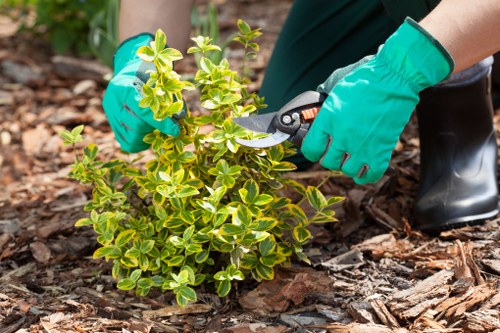
Well-maintained hedges play an important role in both the appearance and function of outdoor spaces. In Southfields, where many properties value privacy and kerb appeal, regular hedge maintenance can help keep gardens and frontage areas looking deliberate and cared for. Overgrown hedges can quickly block windows, narrow walkways, crowd driveways, and create a neglected impression even if the rest of the property is in good condition.
For domestic customers, hedge trimming can also support healthy growth. Cutting at the right time and in the right way helps maintain a dense shape while reducing dead ends and straggly branches. For some hedges, particularly those used as a living screen or boundary, careful shaping encourages better structure and more even coverage. For others, a simple maintenance trim is enough to keep them tidy and manageable.
Commercial sites benefit too. A clean, trimmed hedge around a business property, school, nursery, clinic, block of flats, or managed estate can improve first impressions and help keep access points visible and safe. In a busy local area, trimmed hedges also reduce the chance of branches interfering with pavements, gates, signage, or sightlines near entrances and exits.
What hedge trimming service covers
A professional hedge trimming service should be more than a quick cut. It should include shaping, size control, tidy finishing, and responsible waste handling. The exact work depends on the hedge type, height, access, and condition, but a proper service generally aims to leave the hedge healthier, more balanced, and more attractive than before.
Typical hedge trimming work in Southfields may include:
- Seasonal trimming to maintain a neat shape
- Reduction of overgrowth on front and rear boundaries
- Careful shaping for formal hedges
- Cutting back hedge lines that are encroaching on paths, fences, or driveways
- Light corrective pruning to improve balance and structure
- Removal of clippings and tidy-up of the work area
- Advice on timing and ongoing maintenance frequency
For some jobs, hedge cutting may also involve access equipment, working around uneven ground, navigating side returns, or coordinating with neighbours in shared spaces. This is one of the reasons local experience matters. A team that regularly works in Southfields will already understand the practical challenges that can come with compact front gardens, shared rear access, and limited parking nearby.
Not every hedge needs the same approach. A dense laurel hedge, a formal box hedge, a privet boundary, and a mixed garden screen all respond differently. Trimming too hard or at the wrong time can leave visible gaps or stress the plant. A careful service should match the method to the hedge and the season.
Common hedge types we are asked to trim
Southfields gardens often include a range of hedge varieties, and each one has its own maintenance needs. Some are chosen because they provide privacy, while others are there to mark boundaries or soften the look of fencing and walls. A good service should recognise these differences and trim accordingly.
Examples of hedges commonly maintained in the area include:
- Privet hedges - popular for boundary definition and easy shaping
- Laurel hedges - dense and fast-growing, often needing regular control
- Beech hedges - attractive and formal, but best managed with care
- Yew hedges - suitable for precise shaping and long-term structure
- Mixed garden hedges - often require selective trimming rather than uniform cutting
When done properly, trimming should support the hedge’s natural habit rather than forcing an unnatural shape. That is especially important for mature hedges that have been growing for years and need a more considered touch.
In Southfields hedge trimming, one of the most valuable parts of the service is knowing how to deal with hedges that have not been maintained for some time. These can often be restored gradually rather than cut back too aggressively. This is especially useful for homeowners who have recently moved into a property and want the garden brought back into order.
How our hedge trimming service works

A straightforward process helps customers feel confident from the start. The aim is to make the service easy to arrange, clear in scope, and convenient on the day of the visit. Whether you need a one-off trim or regular hedge maintenance, the process should be organised around your property and your priorities.
1. Initial enquiry and property details
We start by understanding the hedge size, type, location, and access. It helps to know whether the hedge is in a front garden, rear garden, side return, communal area, or commercial boundary. Photos can be helpful, especially if the hedge is tall, overgrown, or difficult to describe.
2. Assessment of the work needed
The next step is to identify what kind of trimming is appropriate. Some hedges only need a light tidy. Others may need a stronger reduction, shaping, or clearance around pathways and structures. The condition of the hedge, its height, and the time of year all matter.
3. Scheduling the visit
A local team can often plan the work around access constraints, parking limitations, and local traffic patterns. That matters in Southfields, where some streets are tighter than others and practical logistics can affect how quickly a job is completed.
4. Carrying out the trimming
The hedge is cut carefully using suitable tools and methods. The goal is to produce an even finish, maintain shape, and avoid unnecessary damage. Where needed, attention is given to edges, corners, and growth overhanging property lines.
5. Clearing and tidying
After trimming, the site is cleared of clippings and larger debris. This is an important part of the job, especially for front gardens, shared access areas, and business premises where presentation matters.
6. Final check
The last stage is a visual check to make sure the hedge looks balanced, pathways are clear, and the area is ready to use again.
Benefits of regular hedge maintenance
Keeping hedges trimmed on a regular basis is usually easier and more cost-effective than allowing them to become heavily overgrown. It also reduces the chance of the hedge becoming uneven, woody, or awkward to manage later on. Many Southfields customers prefer to book seasonal or twice-yearly maintenance so the hedge stays in good shape all year.
Key benefits of regular hedge cutting include:
- Improved appearance for front and rear gardens
- Better light levels in the home and garden
- Clearer access to paths, gates, and driveways
- More privacy without excessive bulk
- Reduced risk of hedges becoming unmanageable
- Better structure and healthier growth in many hedge types
- Cleaner presentation for commercial and communal spaces
Good hedge trimming is preventive as well as cosmetic. By staying on top of growth, you avoid the kind of difficult, time-consuming job that often comes with a hedge left for too long. That can also help reduce disturbance to neighbours and keep boundaries tidy from both sides.
For homes near busy routes or shared spaces, trimmed hedges can also improve visibility and help prevent branches from obstructing movement. That is particularly valuable where families, older residents, or regular visitors use the same paths and entry points.
Hedge trimming for different property types in Southfields
Southfields is varied, and that variety shapes the way hedge work is carried out. A front hedge on a residential street needs a different approach from a tall screening hedge in a rear garden or a boundary hedge around a commercial site. Local experience helps make sure the service is suited to the setting.
Typical property types include:
- Terraced and semi-detached homes with front boundary hedges
- Family houses with established rear gardens and mature screening
- Flats and maisonettes with shared or communal landscaping
- Corner properties where hedges affect visibility and access
- Shops, offices, clinics, and other commercial premises with frontage hedges
- Managed properties and landlord portfolios with recurring maintenance needs
In smaller gardens, even a modest hedge can have a big visual impact. In larger spaces, the challenge is often consistency and scale. Either way, the work should be done with care so the hedge remains healthy and the outdoor space feels well planned.
For customers who value a neat boundary but do not want their hedge cut back harshly, a professional hedge trimming service in Southfields can provide the right balance between control and natural appearance.
Local practicalities: access, parking, and site care
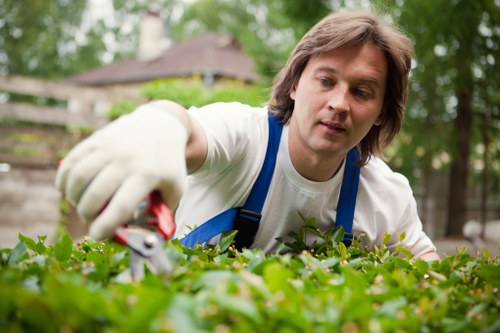
One reason customers choose a local team is simple: local jobs need local awareness. Southfields properties can present challenges that are easy to overlook if you do not work in the area regularly. Limited parking, narrow side access, shared driveways, and busy pavements can all affect how hedge trimming is planned and completed.
For example, if a hedge overhangs a pavement or borders a road-facing front garden, the work may need careful positioning of tools and waste collection. If access is only through a side return or shared passage, equipment needs to be selected and moved sensibly to avoid disruption. In communal settings, good communication is important so residents know when the work is taking place and how the space will be kept clear.
Commercial customers also appreciate that a local team can work around opening times, deliveries, and customer access. A hedge at a business frontage should not create a mess or interrupt daily operations longer than necessary. Efficient planning, tidy workmanship, and a clear finish all help reduce inconvenience.
These practical issues are not minor details. They are often what separates a service that feels smooth and professional from one that creates stress. Choosing hedge cutting in Southfields from a local provider usually means fewer surprises and a more realistic approach to the property itself.
What to do before your hedge trimming appointment
Preparing for hedge trimming is usually simple, but a few small steps can help the visit go more smoothly and reduce the risk of delays. If you have booked work for a front garden, rear garden, or shared area, a little preparation can make the whole process easier for everyone involved.
Preparation checklist:
- Move vehicles if hedge access or waste removal may be affected
- Clear garden furniture, plant pots, toys, or ornaments near the hedge
- Ensure gates and side access are unlocked if agreed in advance
- Keep pets and children safely away from the work area during cutting
- Let the team know about any fragile plants, irrigation lines, or obstacles
- Point out shared boundaries or areas where extra care is needed
If the hedge is especially large, old, or overgrown, it is helpful to explain what outcome you want. Some customers want the hedge brought lower; others just want it neater and more manageable. A clear conversation before the work starts helps make sure expectations are aligned.
Where access is tight, planning ahead is especially useful. Southfields homes can have limited frontage or narrow passageways, so knowing where tools, clippings, and access routes will be managed can prevent unnecessary disturbance.
Pricing factors for hedge trimming
Customers often ask what affects the cost of hedge trimming. While it is not sensible to quote exact prices without seeing the job, there are clear factors that usually influence the amount of work involved. Understanding these helps customers compare services and choose the right option for their property.
Common pricing factors include:
- Height and length of the hedge
- How dense or overgrown it is
- Whether one side or both sides need cutting
- Access difficulty and parking limitations
- Need for ladders, pole tools, or specialist equipment
- Amount of cuttings to be cleared away
- Whether the hedge is a simple trim or a more substantial reduction
- How much detail is needed for formal shaping or boundary lines
Homes with easy access and straightforward maintenance needs will generally be quicker to work on than tall, mature hedges with awkward approaches or heavy waste. That is why a proper assessment matters. It ensures the work is priced according to the actual job, not just guessed from a distance.
For customers seeking hedge trimming Southfields services, a local company can often provide a more accurate and practical quotation because it understands the property layouts and access conditions common in the area.
Why choose a local Southfields hedge trimming company

Using a local company has real advantages beyond convenience. A nearby team can respond more flexibly, understand the character of Southfields properties, and often work more efficiently because it is familiar with the area. That matters when you want the hedge trimmed neatly without unnecessary delays or disruption.
Reasons local customers prefer a Southfields-based service:
- Better understanding of local street layouts and access conditions
- Experience with domestic and commercial property types in the area
- More practical scheduling around parking and route access
- Ability to handle both small tidy-ups and larger, more demanding hedge work
- Clearer communication about the work and what can realistically be achieved
- Efficient response for seasonal maintenance and recurring visits
There is also a reassurance that comes from using a service that works regularly in the neighbourhood. Southfields residents often want someone who will treat the property with care, avoid unnecessary mess, and finish the job in a way that suits the home, the garden, and the surrounding street.
Professional hedge maintenance should feel straightforward. From the first enquiry to the final tidy-up, the process should be organised, respectful, and focused on the customer’s needs rather than on doing the quickest possible cut.
Areas covered around Southfields
Many customers in Southfields also have properties or investment homes nearby, so it is useful to know that local hedge trimming services can often cover surrounding neighbourhoods as well. This is especially helpful for landlords, managing agents, and homeowners with more than one property in the area.
Nearby areas commonly associated with service work include:
- Wimbledon
- Earlsfield
- Putney
- Wandsworth
- Tooting
- Roehampton
This broader local coverage can be especially useful for recurring hedge maintenance across several addresses, or for customers who need a consistent approach to boundary and garden care in different locations.
Whether the hedge is part of a private home, a rental property, or a commercial frontage, it helps to use a team that already understands the local area and can work efficiently within it.
Hedge trimming for commercial and communal properties
Not all hedge work is for private gardens. Southfields also has businesses, managed developments, and shared residential spaces that need regular hedge maintenance to stay attractive and safe. In these settings, the work often needs to be planned more carefully because several people rely on the space being kept clean and accessible.
Commercial and communal hedge care may be needed for:
- Office frontage and boundary hedges
- Retail and service premises
- Block entrances and communal gardens
- Managed courtyards and shared green spaces
- School, nursery, and care-related premises
- Landlord-maintained rental properties
In these situations, a tidy hedge is part of the overall presentation of the site. It can contribute to safety, visibility, and a more welcoming appearance. It may also help keep the property easier to maintain over time by preventing growth from spilling into paths, fences, and adjoining landscaping.
For property managers, regular hedge trimming can be a sensible part of planned maintenance. It helps reduce bigger seasonal jobs later on and keeps outdoor areas consistently presentable.
Keeping hedges healthy after trimming
After a hedge has been trimmed, a little ongoing care can help it recover and continue growing well. The exact aftercare depends on the hedge species and the season, but there are simple steps that can make a difference.
Helpful aftercare steps include:
- Watering during dry spells if the hedge is newly planted or stressed
- Avoiding further cutting too soon after a substantial trim
- Watching for signs of uneven regrowth or damaged branches
- Keeping the base clear of heavy debris where practical
- Booking the next trim before the hedge becomes difficult to manage again
If you are unsure how often your hedge should be trimmed, it is usually best to ask for advice based on the species, the size of the hedge, and how quickly it grows. A formal hedge might need more frequent attention than a softer, informal boundary.
Regular maintenance is often the easiest way to keep the job manageable. Rather than waiting until a hedge has become too tall or wide, routine trimming helps preserve shape and reduces the amount of corrective work needed later.
Frequently asked questions

How often should a hedge be trimmed?
It depends on the hedge type and how quickly it grows. Many domestic hedges benefit from one or two trims a year, while faster-growing varieties may need more frequent attention. A local assessment is the best way to decide on a realistic schedule for your property.
Can you trim an overgrown hedge back into shape?
Often, yes. The right method depends on the species and condition of the hedge. Some hedges can be reduced and reshaped gradually, while others need a gentler approach to avoid damage. If a hedge has been neglected for some time, it is usually better to assess it properly before cutting too much at once.
Do I need to be at home during the work?
That depends on access and how the job is arranged. Some customers prefer to be present at the start so they can explain exactly what they want. Others arrange access in advance and return once the trimming and clearing are complete. The best option depends on your property and your preference.
Will the clippings be removed?
Waste removal is usually part of a professional hedge trimming service, though it is always sensible to confirm what is included. Clearing the cuttings is especially important for front gardens, driveways, and commercial premises where presentation matters.
Can hedge trimming be done near fences, walls, or paving?
Yes, but it should be done carefully. Local hedge cutting often involves working close to boundaries, hard landscaping, and neighbouring properties. Careful technique helps avoid damage and keeps the finish neat.
Is hedge trimming suitable for commercial premises?
Absolutely. Businesses, managed developments, and communal sites often rely on regular trimming to maintain a professional appearance and keep access areas clear. A local service can usually work around site requirements more easily than a less familiar provider.
Book hedge trimming in Southfields
If your hedge is starting to look untidy, blocking light, or growing beyond its boundary, now is a good time to arrange a proper trim. Whether you need a one-off tidy-up or ongoing hedge maintenance, a local service can help keep your property neat, manageable, and presentable.
From compact front hedges to large mature screens, hedge work in Southfields is best handled with care, local awareness, and an eye for detail. The right trimming can improve the look of your home or business straight away, while also making future maintenance easier.
Contact us today to request a free quote, discuss your hedge trimming needs, or book your service now. If you want a tidy finish, practical scheduling, and a local team that understands Southfields properties, we are ready to help.
Whether it is a residential boundary, a shared garden, or a commercial frontage, professional hedge trimming can make a noticeable difference.

